Wednesday, May 25, 2016

Increase in air pollution threatens more lives, but there is hope


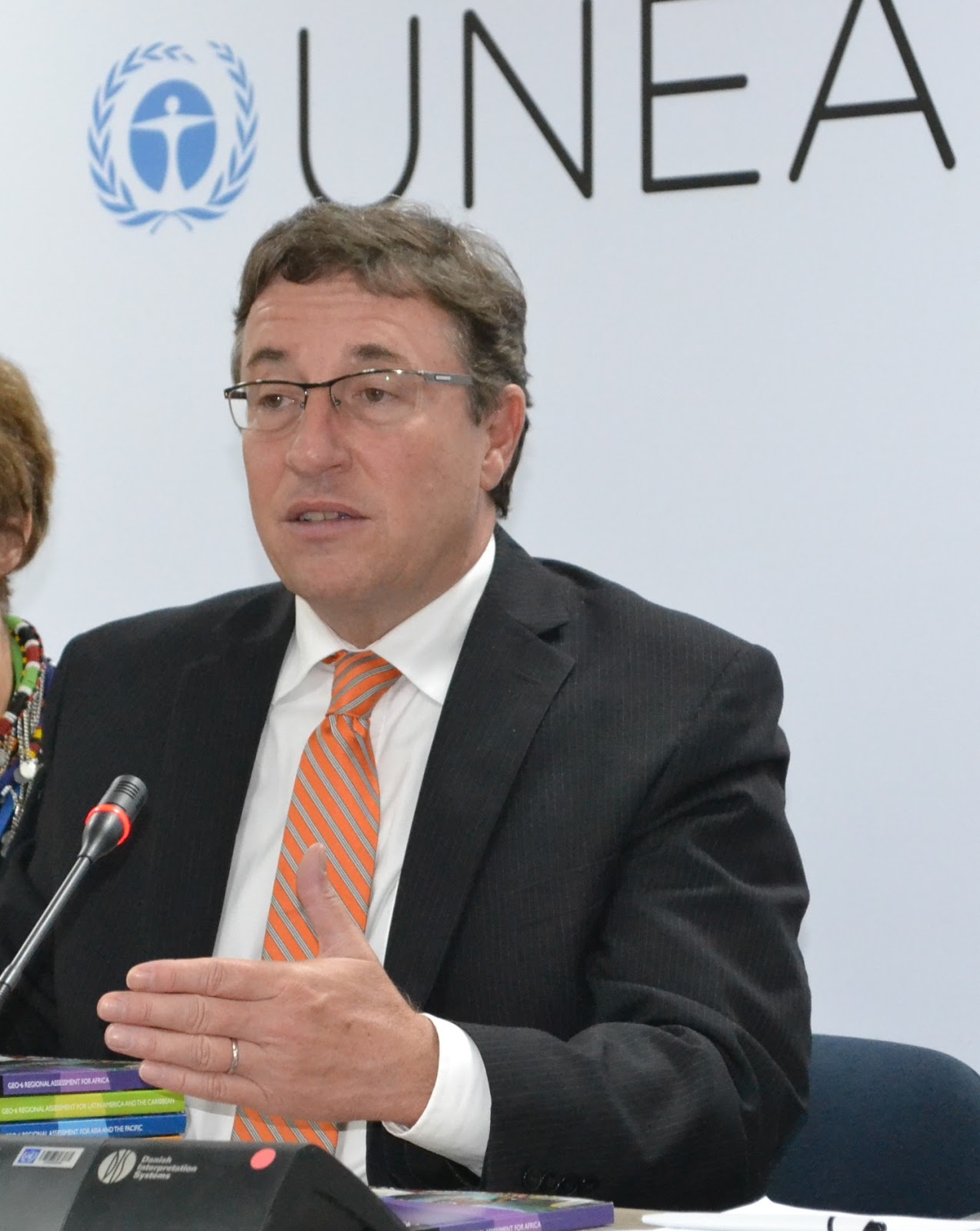
Achim Steiner at the UNEA conference
By Isaiah Esipisu

NAIROBI, Kenya (PAMACC News) – About three billion people who depend on solid fuels and open fires for cooking and heating around the world are at risk of contracting cardiovascular diseases, despite efforts on the ground to reverse the trend, says a new report by UNEP  titled Actions on Air Quality.

According to the World Health Organization (WHO), global urban air pollution levels increased by 8 percent between 2008 and 2013, putting affected people to a risk of early death due to diseases, such as strokes and heart disease, as well as cancer and respiratory diseases.  

According to the report, more than 80 per cent of people living in urban areas that monitor air pollution are exposed to air quality levels that exceed WHO limits, threatening lives, productivity and economies.

Tuesday, May 24, 2016

Kenya joins the search for a pollution free sky


By David Njagi
Searching for pollution free skies. Photo - Isaiah Esipisu

NAIROBI, Kenya (PAMACC News) - The noose is tightening around rogue enterprises which have turned Kenya’s cities and towns into smoke canopies.

An air quality control regulation that the National Environment Authority (NEMA) launched last year will soon enable the agency to fit vehicles and industries with a pollutant unit to monitor their volume of exhaust smoke.

“We are going to stick the unit on vehicles and industries valid for two years to find out if the owner is polluting,” explains Prof. Geoffrey Wakhungu, director general NEMA. “The ones found to be polluting will be forced to dump the dirty asset or find ways to clean it up.”

Report links illegal trade in wildlife to spread of zoonotic diseases


By David Njagi

NAIROBI, Kenya (PAMACC News) - Illegal traffic in live animals is one of the leading causes of zoonotic diseases spread around the world, a new report by the United Nations Environmental Programme (UNEP) has warned.

The report, Emerging Issues of Environmental Concern, lists Severe Acute Respiratory Syndrome (SARS), Middle East Respiratory Syndrome (MERS), avian flu, monkey pox and even ebola as some of the diseases which may have jumped species into the human genome.

Global Wildlife Programme to fight global wildlife poaching and trafficking crisis


Prof Judy Wakhungu at UNEA
 By Protus Onyango

NAIROBI, Kenya (PAMACC News) - Kenya is expected to benefit from the Sh9 billion ($90 million) Global Wildlife Programme to fight global wildlife poaching and trafficking crisis.

The World Bank in collaboration with other bodies have launched the programme, approved by the Global Environment Facility (GEF) and meant to strengthen the ability and capacity of participating countries to combat poaching and illegal wildlife trade.

Monday, May 16, 2016

Poor Countries ready to work with the global community in combating climate change, says Tosi Mpanu-Mpanu

Tosi Mpanu-Mpanu - Chair of LCD Group
BONN, Germany (PAMACC News) - On the 10th-11th May the Least Developed Countries met in Bonn to prepare for the upcoming climate negotiations beginning on 16th May. This preparatory meeting has been an important opportunity for all LDC negotiators to come together and further develop the collective goals of the LDCs in light of the Bonn negotiations, during which work will begin on developing the modalities, guidelines and procedures for implementation of the Paris Agreement.

Friday, May 13, 2016

Kenya’s forests under pressure as government gags environment groups


By David Njagi
 
MERU, Kenya  – Ngai Mutuoboro, 70, may not wield the vibrancy of his youthful days, but he can still pack a punch when it comes to environmental conservation.

The elder from Tharaka Nithi County in upper eastern Kenya, has been arrested, harassed and even lost a member of his community group, for agitating against illegal exploitation of Mt. Kenya forest by pwerful politicians.

At his shanty structure in Kibubua village which flanks the forest to the east, Mutuoboro keeps a collection of documents that show the kind of human rights abuses environmental groups like his, face, when they lobby against politicians involved in illegal logging at one of the biggest water towers in Kenya.

Thursday, May 12, 2016

Cost of Adapting to Climate Change Could Hit $500 Billion per year by 2050


UNEP's Adaptation Finance Gap Report: Failure to cut emissions will dramatically increase the annual costs of adaptation, which could be up to five times higher by 2050 than previously thought.
 
ROTTERDAM, The Netherlands (PAMACC News) – The cost of adapting to climate change in developing countries could rise to between $280 and $500 billion per year by 2050, a figure that is four to five times greater than previous estimates, according to a new United Nations Environment (UNEP) report. 

Released as nations sign the landmark Paris Agreement on climate change, the report assesses the difference between the financial costs of adapting to climate change in developing countries and the amount of money actually available to meet these costs – a difference known as the “adaptation finance gap”.